Three women across three generations discover that they share both a name and a remarkably similar solution to the problem of an unsatisfactory husband.
A local coroner, who really should know better, keeps getting in the way. Or possibly helping. It's a Peter Greenaway film, so naturally none of this is straightforward.
A Montreal model shows up to the trial of an accused serial killer every single day, as if it were her day job. It is not her day job. Her motivations are her own business, and she would very much like to keep it that way.
This is NOT a horror film. It contains no jump scares, no gore, and no conventional horror elements whatsoever. It will get under your skin anyway. Possibly permanently.
Pascal Plante's French-Canadian thriller is what happens when true crime culture stares into the mirror a little too long. The mirror stares back. It seems perfectly fine with what it sees.
You will not be.
Notes
You can read my review of it here:
https://horrortainmentnews.com/2025/01/15/les-chambres-rouges-red-rooms/
A young man accidentally intercepts a phone call that completely ruins what was shaping up to be a perfectly nice evening. Armed with information nobody asked for and seventy minutes to do absolutely anything about it, he proceeds to navigate a city that is—understandably—not taking the news particularly well.
A love story. Sort of.
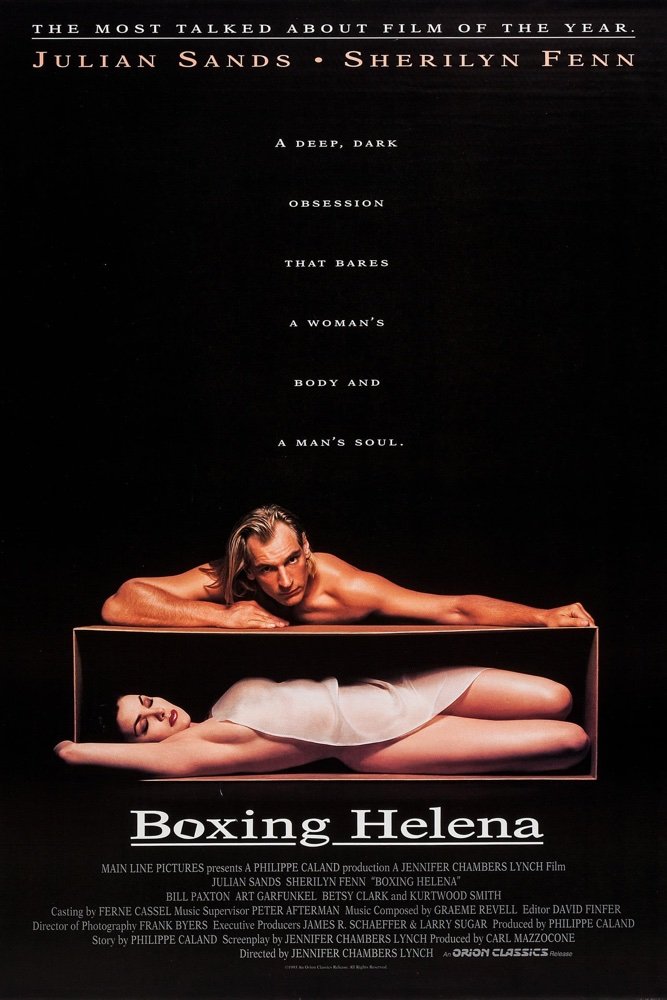
A surgeon with catastrophically poor boundary issues and an even worse approach to romantic rejection decides that if he can't have the woman of his obsession out in the world, he'll simply... reduce her options for leaving.
What follows is exactly as disturbing as you'd expect, and stands as a bold and uncompromising debut from (at the time) a very young director who clearly had absolutely no interest in playing it safe.
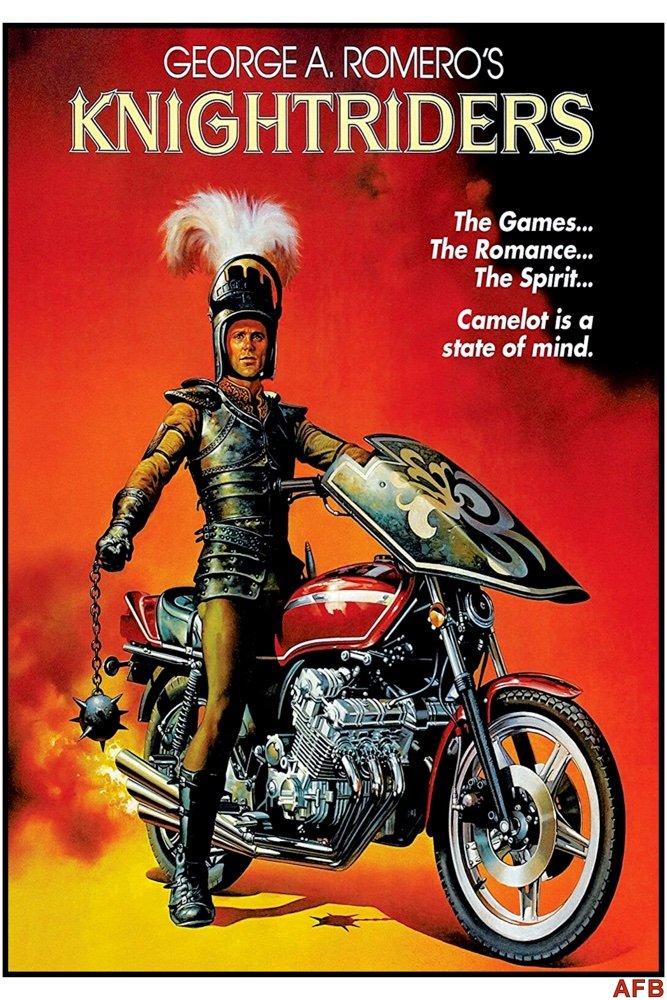
Biker Gang as Renaissance Faire Troupe / Action Drama
A ragtag band of motorcycle-riding medieval jousters attempts to live by a strict code of honor in a world that finds them equal parts baffling and fascinating. Their idealistic King—who is either a visionary or dangerously delusional, possibly both—stubbornly refuses to let reality interfere with his noble experiment, while everyone around him slowly loses patience with the whole endeavor.
It's essentially a movie about what happens when someone takes their Renaissance Fair WAY too seriously. And somehow it works. It really works.
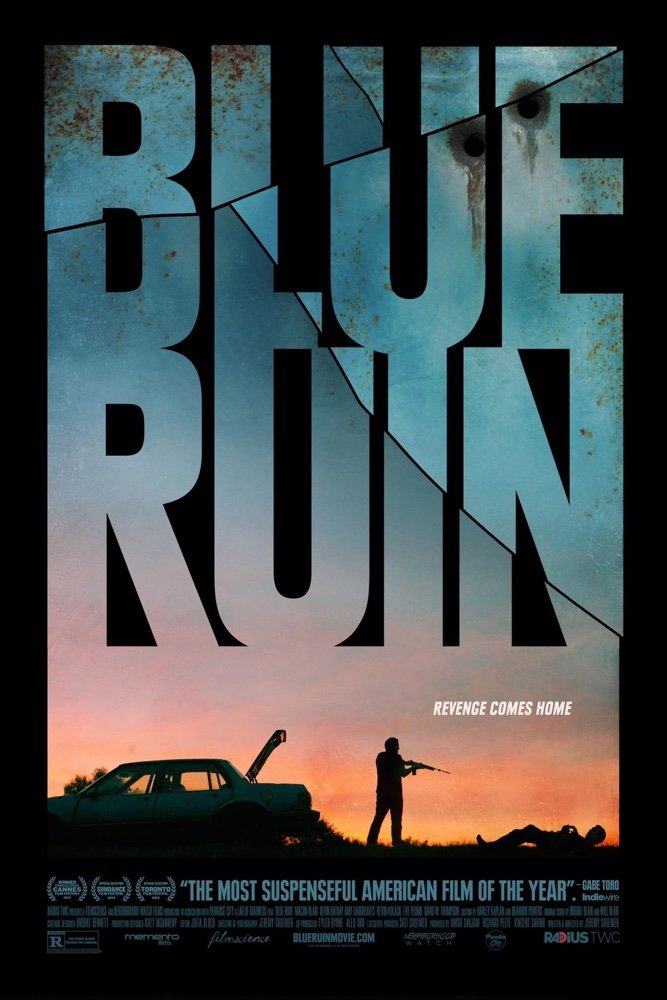
BR: A broken man living out of his car has his peaceful existence of dumpster diving and beach showers rudely interrupted when a ghost from his past forces him back to his childhood home with revenge on his mind.
Proving almost impressively incompetent at the whole assassination business, he then spends the rest of the film desperately trying to unfold the consequences of his own terrible decisions, while protecting a family that wasn't entirely sure they wanted to hear from him again in the first place.
It goes about as well as you'd expect.
Notes
Double Feature alert. Your Cult Leader has graciously provided a synopsis and Wikipedia link for Blue Ruin only, on the reasonable assumption that you already know what Green Room is. If you don't, frankly, that's on you.
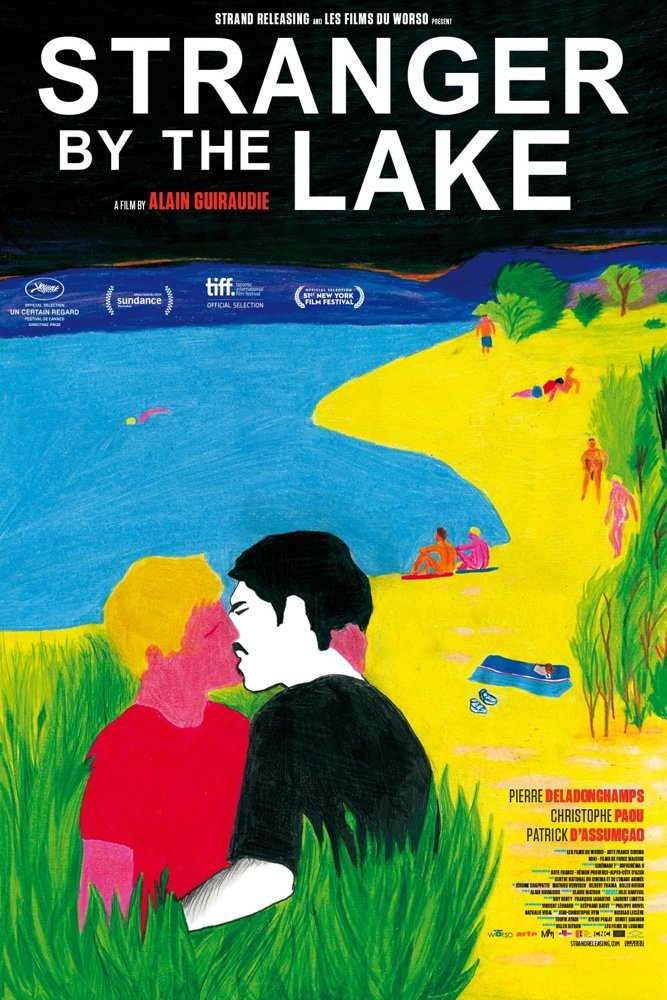
Brothers and sisters, gather 'round and hear the parable of Franck's awakening.
In the sacred season of warmth, there exists a hidden sanctuary—a lakeside temple (nude beach) where pilgrims (gay men) seek... communion (anonymous sex encounters). Here, our brother Franck encounters Michel, the most radiant and powerful of beings, blessed with beauty and an intoxicating energy that draws souls like moths to flame. Yes, Michel possesses certain... terminal qualities in his divinity.
And does Franck flee? Does he seek the false safety of the unenlightened? No! He gazes upon the truth—the whole truth—and says "I have seen the light, and I choose to walk toward it anyway."
This, my children, is what we call commitment. This is what we call devotion. Some might call it reckless. We call it transcendence.
[Adjusts robe meaningfully]
The path to enlightenment has never been without risk, has it?
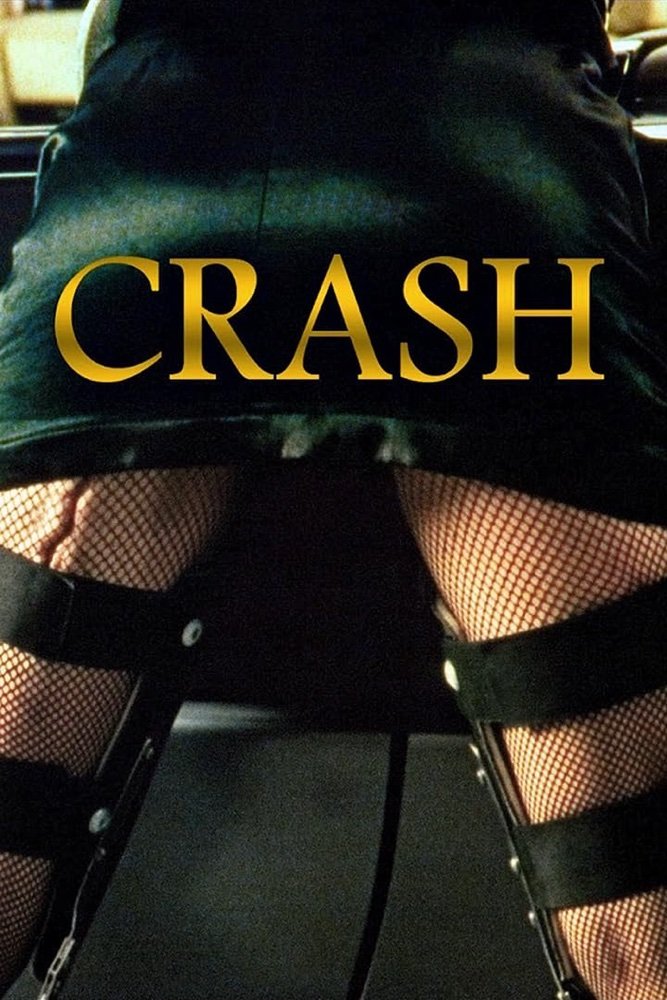
A film producer survives a brutal head-on collision and discovers something deeply inconvenient: he's aroused by it.
Enter Vaughan, who runs an underground community of car-crash fetishists for whom twisted metal, broken glass, and scar tissue have become the ultimate turn-on. Before long, the producer, his equally detached wife, and the doctor from the other vehicle are all initiated into this world where sex, death, and automotive wreckage have merged into a single obsession.
Provoked walkouts at Cannes. Won a Special Jury Prize anyway. Francis Ford Coppola was so disgusted he refused to personally present the award. Ted Turner tried to block its American release. British tabloids attempted to ban it entirely.
David Cronenberg's most controversial film. Not horror. Not thriller. Something considerably more disturbing.
Buckle up.
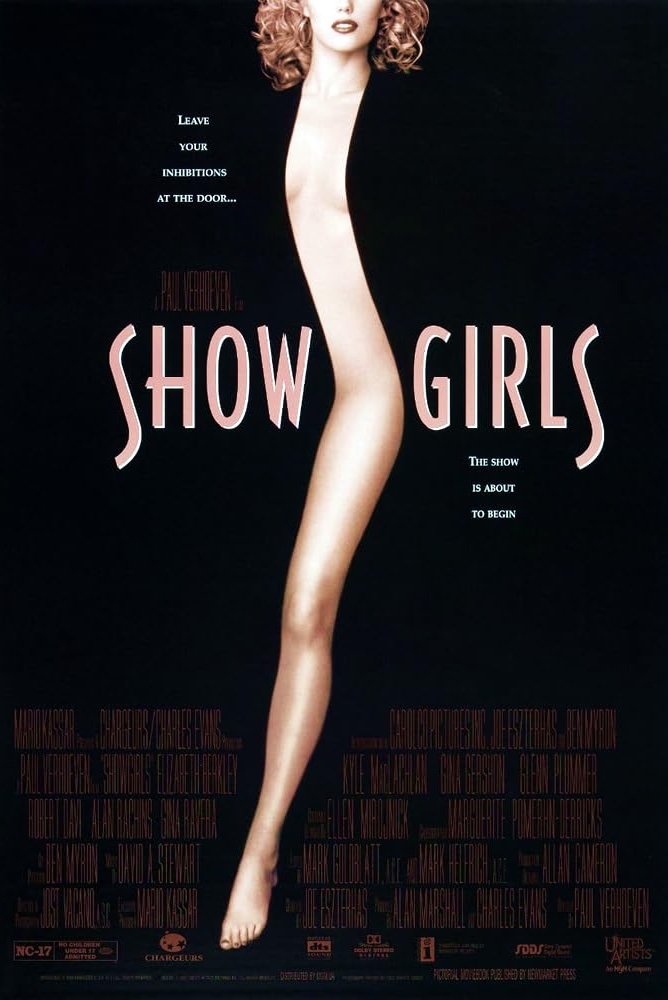
A mysterious young drifter calling herself Nomi Malone hitchhikes to Las Vegas with dreams of becoming a showgirl. What follows is her brutal ascent through the glittering underbelly of Vegas entertainment—from strip clubs to the main stage—in a world where ambition, exploitation, and survival are performed in sequins and stilettos.
Paul Verhoeven's most notorious film. The first and only NC-17 rated movie to receive wide theatrical release. Critics savaged it. It bombed spectacularly at the box office ($37 million against a $45 million budget). The Razzies gave it a record-breaking seven awards.
Then the VHS market told a different story: over $100 million in sales. Midnight screenings sold out. Audiences who actually understood what Verhoeven was doing began championing it. What looked like career suicide became vindication.
Decades later, the critical rehabilitation is complete. This isn't the disaster they said it was—it's a wildly misunderstood satire about American capitalism, exploitation, and the performance of femininity that's been hiding in plain sight the entire time.
Excessive? Absolutely. Camp? Intentionally. A masterpiece? We'll discuss.
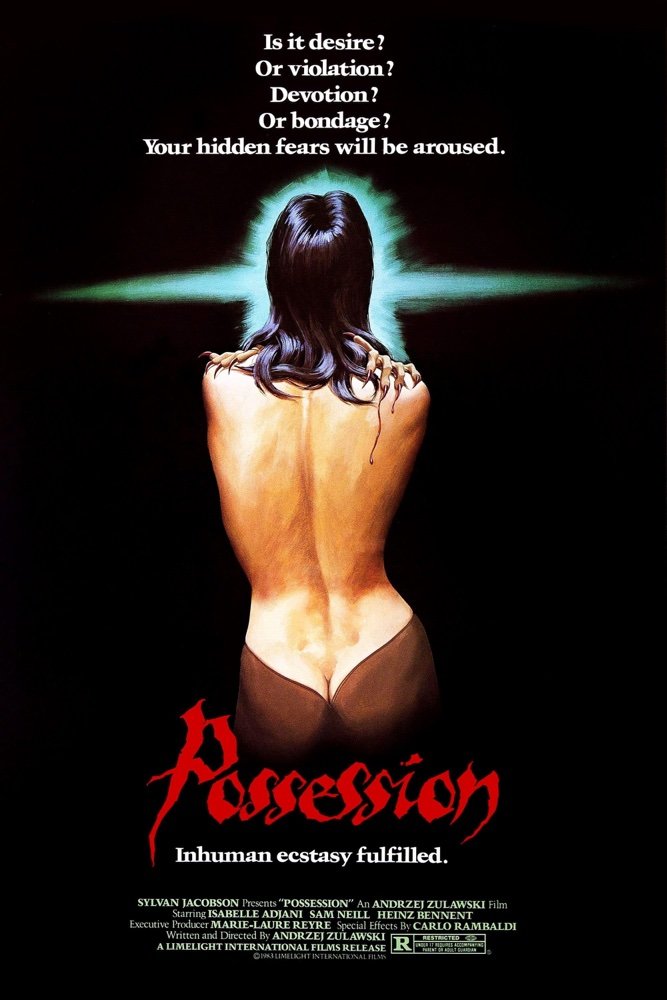
A woman asks her husband for a divorce and then starts behaving... strangely. He suspects an affair. He's partially correct. What she's actually involved with is considerably worse than another man.
What follows is a descent into marital breakdown as psychosexual body horror, set against the backdrop of Cold War Berlin. Isabelle Adjani gives a performance so unhinged it won her Best Actress at Cannes—and reportedly required her to spend months recovering afterward.
Andrzej Żuławski's film was banned as a "video nasty" in the UK during the 1980s. Critics called it exploitation trash. Audiences walked out. Those who stayed couldn't look away.
Not a divorce drama. Not quite horror. Something that splits the difference and then metastasizes into territory neither genre typically ventures.
Fair warning: you will not forget the subway scene.